large

[Family Crest] Right-align 3tier pine tree w/round Button
This family crest depicts three tiers of pine branches stacked vertically within a circle, with the center tier shifted to the right.

[Family Crests] Left-align 3tier pine tree w/round Button
This family crest depicts three tiers of pine branches stacked vertically within a circle, with the center tier shifted to the left.

[Family Crests] Right-aligned 3tiered pine trees Button
This family crest depicts three tiers of pine treetops, with the middle tier shifted to the right.
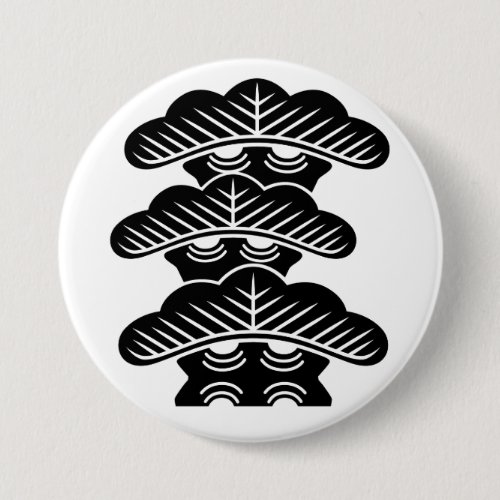
[Family Crests] Left-aligned 3tiered pine trees Button
This family crest depicts three tiers of pine treetops, with the middle tier shifted to the left.

[Family Crests] Nine bamboo leaves Button
This family crest depicts three bamboo leaves arranged in a set, with three such sets gathered and drawn in a circular pattern with their bases joined.
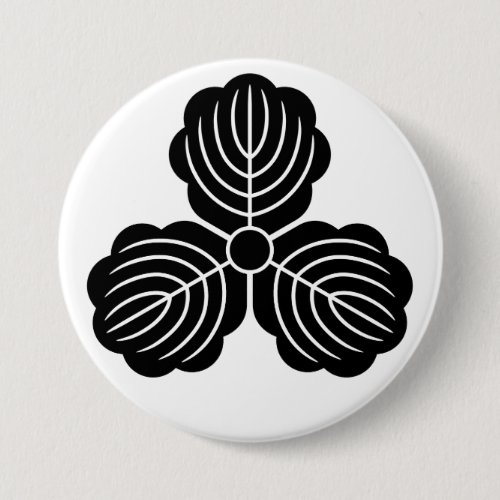
[Family Crests] three ork leaves Button
This family crest depicts three broad oak leaves spread out in three directions. Oak leaves were revered as sacred since ancient times, having been used as vess

[Family Crests] Tachibana flower Button
This family crest depicts the fruit, leaves, and flowers of the tachibana, an evergreen shrub of the citrus family, rendered as an emblem.
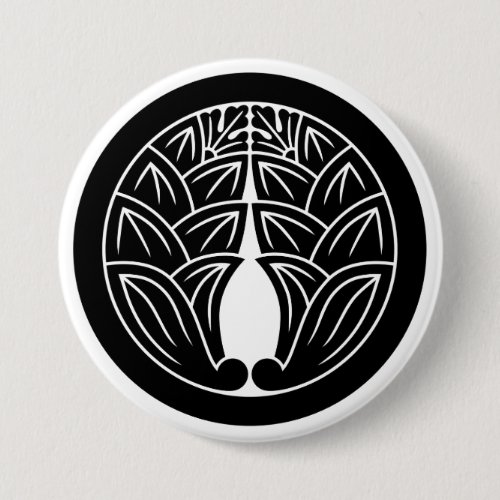
[Family Crests] 2 symmetrical Jpn gingers w/round Button
A family crest featuring a circle drawn around two symmetrical Japanese Gingers.

[Family Crests] 2 symmetrical holly leaves w/round Button
A family crest featuring a circle drawn around two symmetrical holly leaves. Holly leaves are considered sacred trees that ward off demons, as seen in Setsubun

[Family Crests] Crossed hawk feathers with circle Button
A family crest depicting hawk feathers overlapping diagonally within a circle, with the left side facing upward.

[Family Crests] Crossed hawk feathers Button
This family crest depicts hawk feathers overlapping diagonally, with the left side positioned upward.

[Family Crests] Right-rotating Mitsu-domoe Button
This ancient pattern, also found in Jōmon period sites, is generally believed to represent thunder. This is a clockwise “Mitsudomoe.” Clockwise flow is traditio

[Family Crests] Threeleaf arrowhead with round Button
This family crest features a circle drawn around a Threeleaf arrowhead (Omodaka) crest. The Threeleaf arrowhead (Omodaka) crest depicts a single Threeleaf arro

[Family Crests] Left-rotating Mitsu-domoe Button
This ancient pattern, also found in Jōmon period sites, is generally believed to represent thunder. The term “mitsudomoe” specifically refers to this left-rotat

[Family Crests] 16 petals chrysanthemum with round Button
This family crest features a chrysanthemum with sixteen petals surrounded by lines of standard thickness. Flowers symbol and graphics at old age.
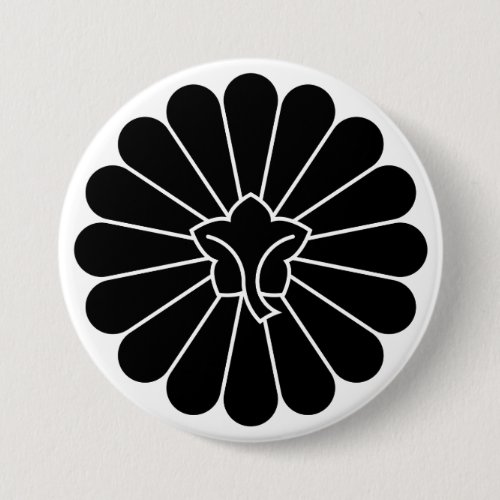
[Family Crests] back-side 16 petals chrysanthemum Button
This family crest depicts a chrysanthemum with sixteen petals drawn from the reverse side. Flowers symbol and graphics at old age.

[Family Crests] Genji clan wheel Button
Flowers symbol and graphics at old age. A family crest inspired by the imperial palanquin of old.
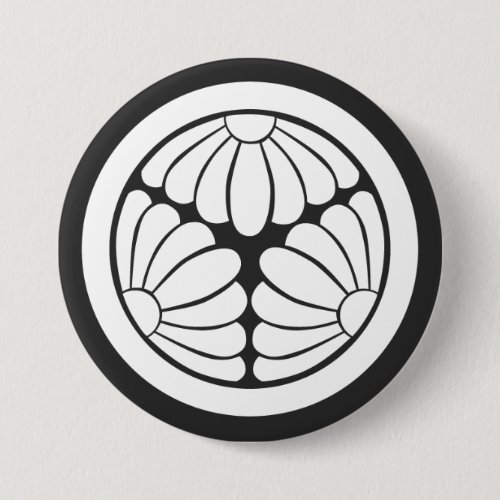
[Family Crests] A circle in 3 chrysanthemum flower Button
Flowers symbol and graphics at old age. the inverted black-and-white version

[Family Crests] Deformed Kaji leaf Button
This family crest depicts a kaji leaf with a deformed petiole. Such logo-like designs are called “Kamon” in Japan.

[Family Crests] Gentian Flowers and Bamboo Button
Flowers symbol and graphics at old age. This family crest depicts five bamboo-like leaves spread downward, with three gentian flowers drawn above them.

[Family Crests] Oni Kaji leaf Button
This family crest features a kaji leaf pattern slightly different from the standard design, with pointed edges around the leaf. Such logo-like designs are calle

[Family Crests] Kaji leaf with circle Button
This family crest features a circle drawn around a pattern of kaji leaves. Such logo-like designs are called “Kamon” in Japan.
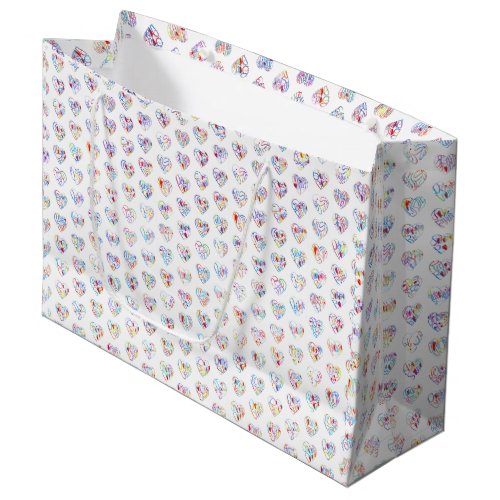
Thank you & hearts in 44langs as DC♡shaped pattern Large Gift Bag
The design is based on heart-shaped die cutting designs of thank you and some hearts from 44 different countries. Each “thank you” is polite, formal, or more e
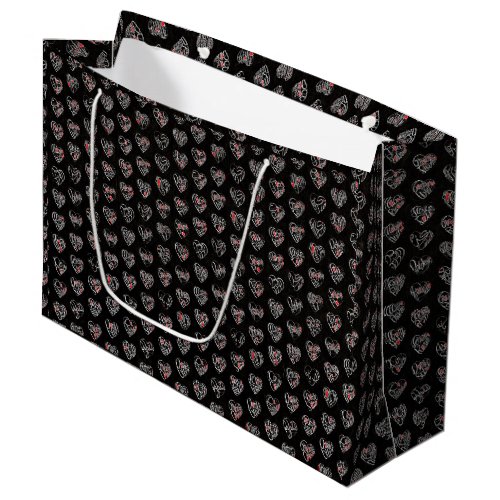
Thank you & hearts 44langs as WH♡shaped pattern Large Gift Bag
The design is based on heart-shaped designs of thank you and some hearts from 44 different countries. Each “thank you” is polite, formal, or more emphatic than
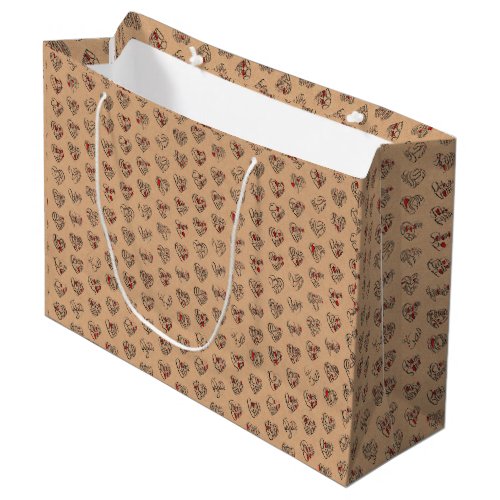
Thank you & hearts in 44langs as BK♡shaped pattern Large Gift Bag
The design is based on heart-shaped designs of thank you and some hearts from 44 different countries. Each “thank you” is polite, formal, or more emphatic than
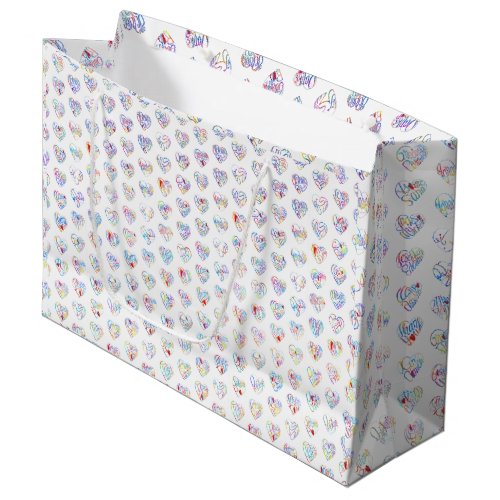
Thank you & heart in 44langs as ♡shaped DC pattern Large Gift Bag
The design is based on heart-shaped and die cutting designs of thank you and a heart from 44 different countries. Each “thank you” is polite, formal, or more e
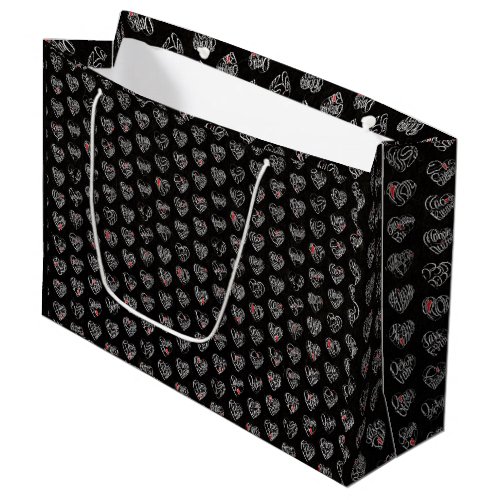
Thank you & heart in 44langs as WH ♡shaped pattern Large Gift Bag
The design is based on heart-shaped designs of thank you and a heart from 44 different countries. Each “thank you” is polite, formal, or more emphatic than a ge
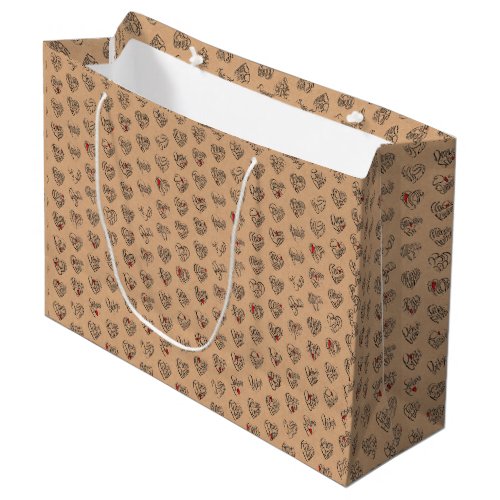
Thank you & heart in 44langs as BK ♡shaped pattern Large Gift Bag
The design is based on heart-shaped designs of thank you and a heart from 44 different countries. Each “thank you” is polite, formal, or more emphatic than a ge
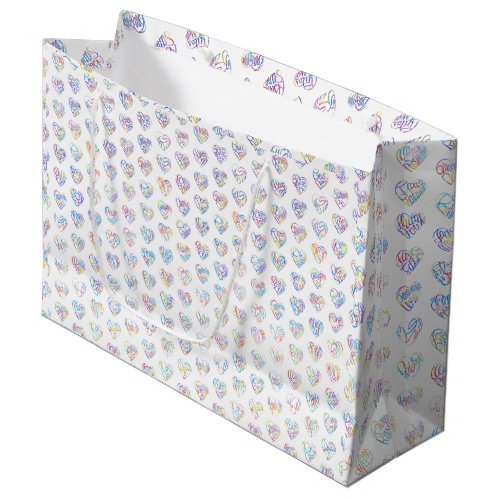
Thank you in 44langs as heart shaped DC pattern Large Gift Bag
The design is based on heart-shaped and die cutting designs of thank yous from 44 different countries. Each “thank you” is polite, formal, or more emphatic than
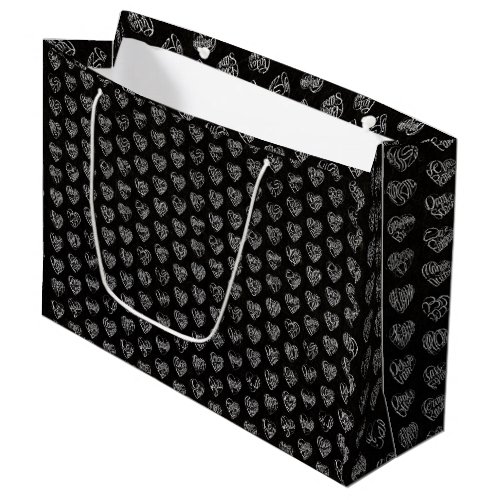
Thank you in 44langs as white heart shaped pattern large gift bag
The design is based on heart-shaped designs of thank yous from 44 different countries. Each “thank you” is polite, formal, or more emphatic than a general thank
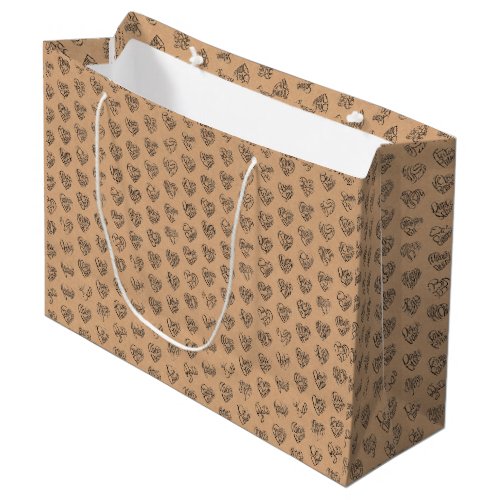
Thank you in 44langs as black heart shaped pattern large gift bag
The design is based on heart-shaped designs of thank yous from 44 different countries. Each “thank you” is polite, formal, or more emphatic than a general thank
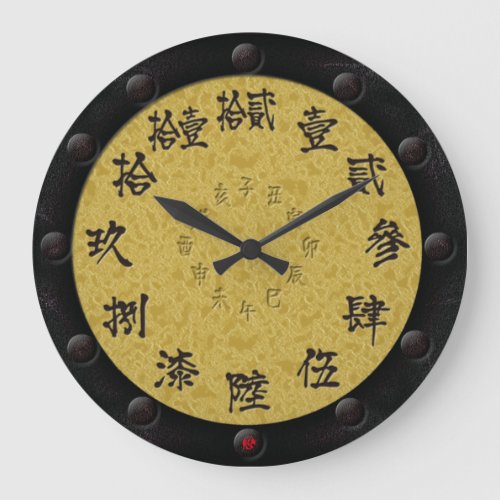
Gold moon - Old complex number of Kanji like Yoroi Large Clock
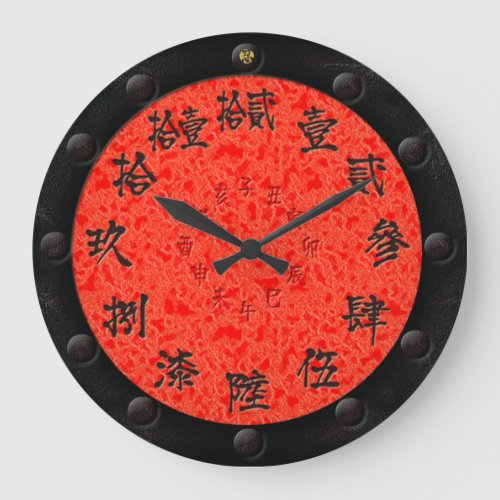
It's hand written old difficult numbers in Japanese Kanji. And the Kanji of the zodiac is written on the inside. It is a work written on a design like worn-out
Red sun - Old complex number of Kanji like Yoroi Large Clock
It's hand written old difficult numbers in Japanese Kanji. And the Kanji of the zodiac is written on the inside. It is a work written on a design like worn-out
[Kanji] many kind of fishes for Sushi (red text) Large Tote Bag
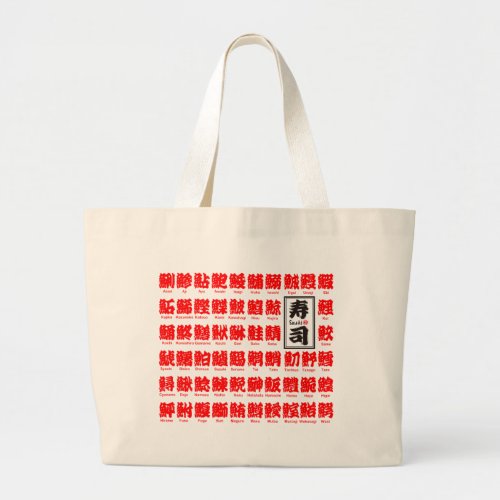
something fish made with vinegared rice
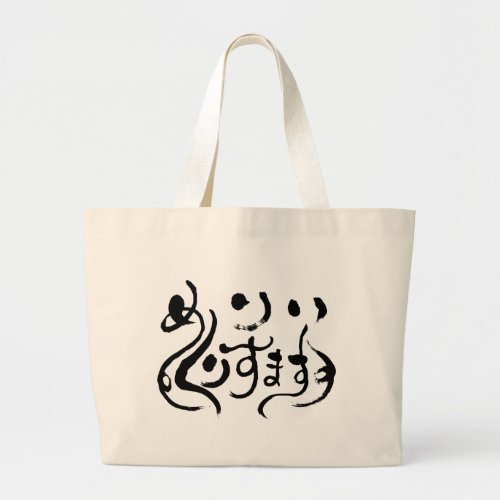
[Hiragana] merry christmas Large Tote Bag
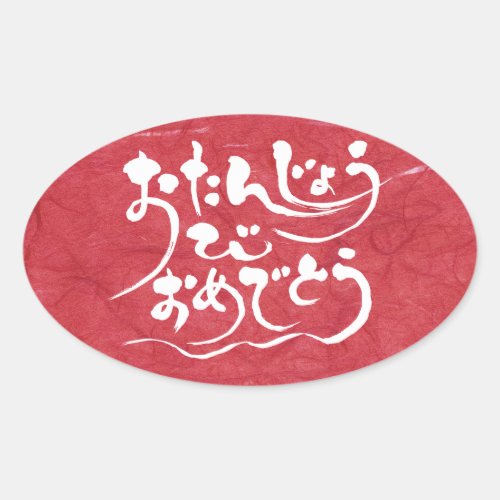
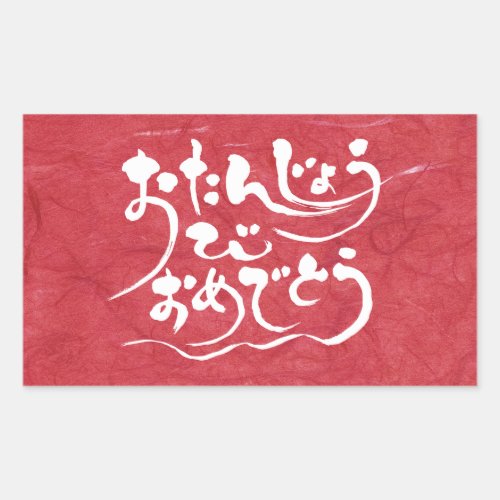
Used to express good wishes on or before Christmas Day. it is literal translation in Japanese hiragana.
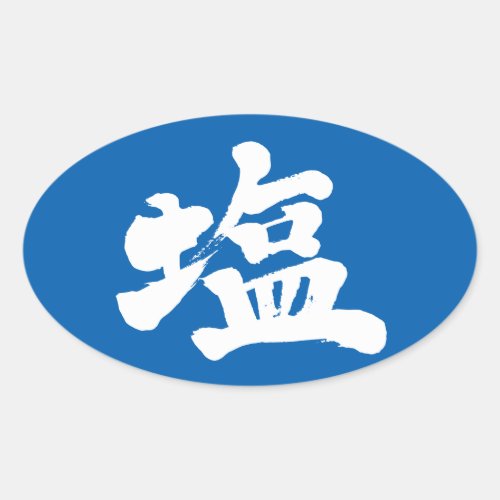
[Kanji] salt Oval Sticker
white crystalline form of especially sodium chloride used to season and preserve food. Japanese says shio.
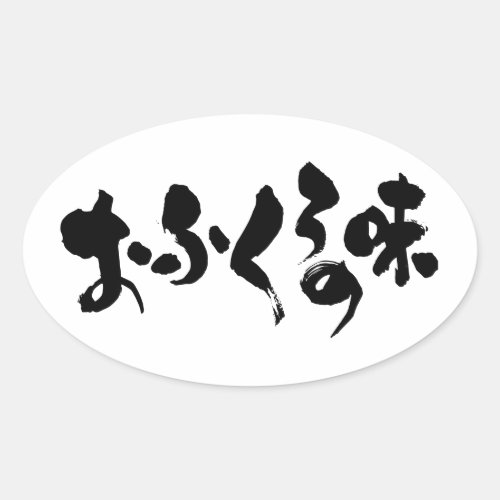
[Hiragana + Kanji] taste of home cooking Oval Sticker
mom's home cooking. taste of mom's cooking. food like mom used to make. Japanese says o-fu-ku-ro-no-aji.
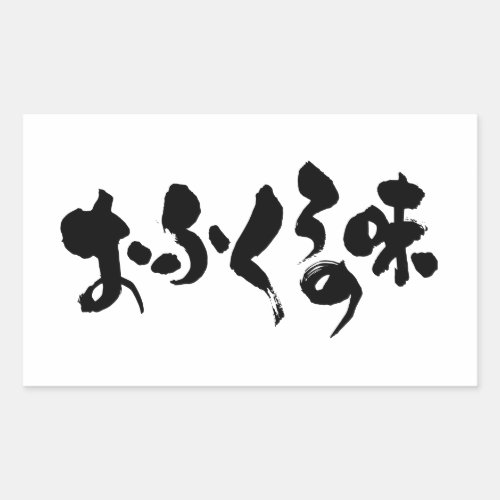
[Hiragana + Kanji] taste of home cooking Rectangular Sticker
mom's home cooking. taste of mom's cooking. food like mom used to make. Japanese says o-fu-ku-ro-no-aji.
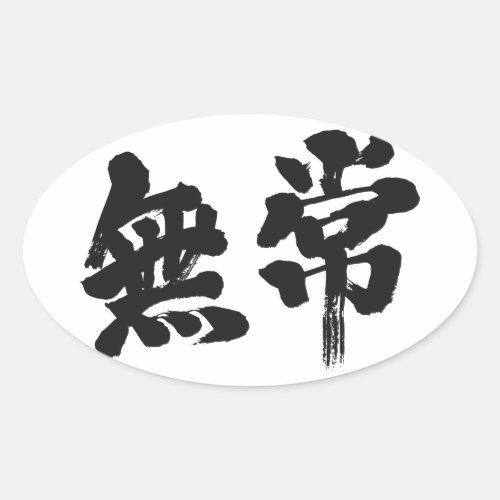
[Kanji] vanity Oval Sticker
the property of not existing for indefinitely long durations Japanese says Mu-Jou.
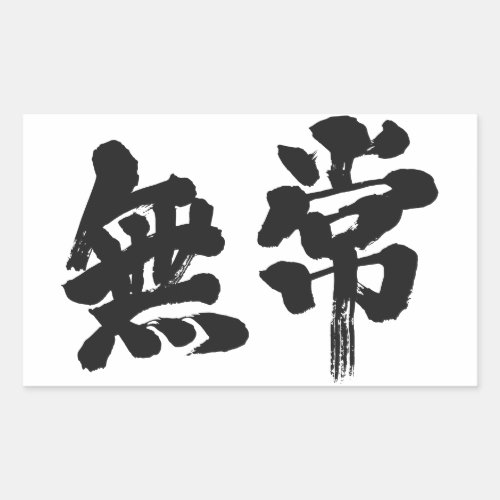
[Kanji] vanity Rectangular Sticker
the property of not existing for indefinitely long durations Japanese says Mu-Jou.
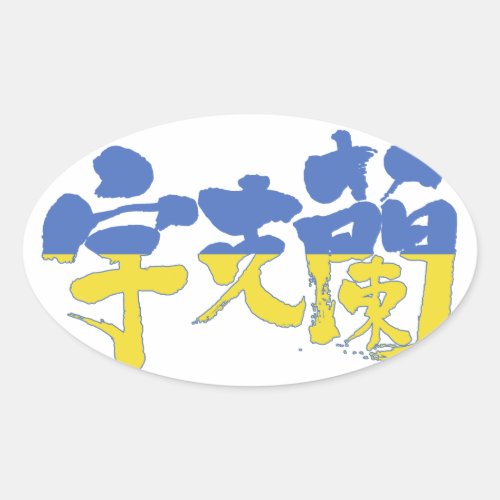
[Kanji] Ukraine Oval Sticker
a republic in southeastern Europe. Ukrainskaya Sovietskaya Sotsialisticheskaya Respublika.
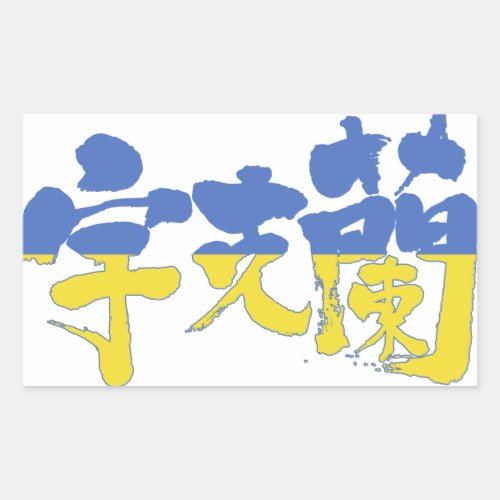
[Kanji] Ukraine Rectangular Sticker
a republic in southeastern Europe. Ukrainskaya Sovietskaya Sotsialisticheskaya Respublika.
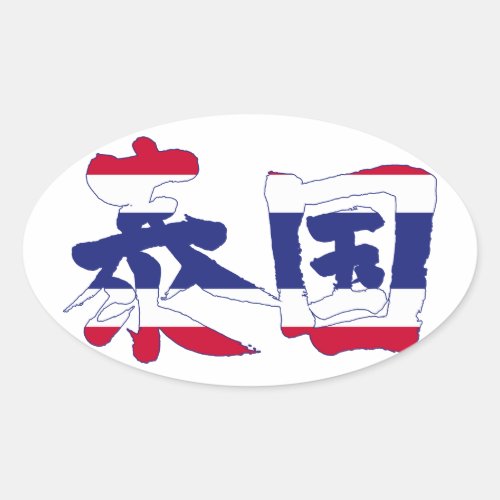
[Kanji] Thailand Oval Sticker
a country of southeastern Asia that extends southward along the Isthmus of Kra to the Malay Peninsula.ราชอาณาจักรไทย Ratcha Anachak Thai.
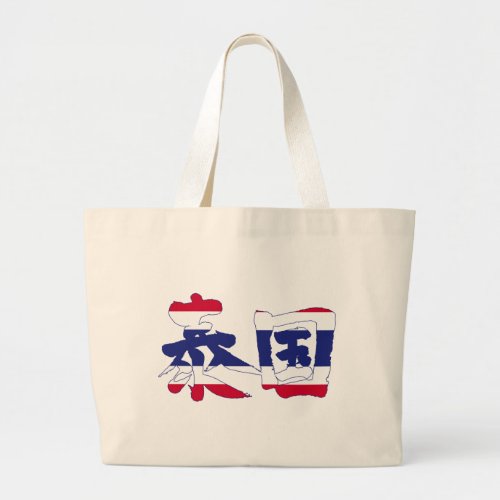
[Kanji] Thailand Large Tote Bag
a country of southeastern Asia that extends southward along the Isthmus of Kra to the Malay Peninsula.ราชอาณาจักรไทย Ratcha Anachak Thai.
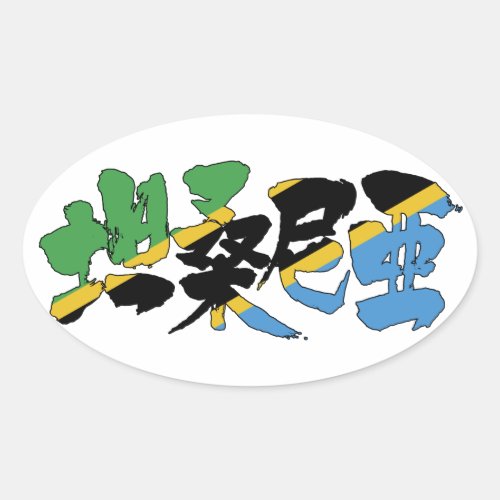
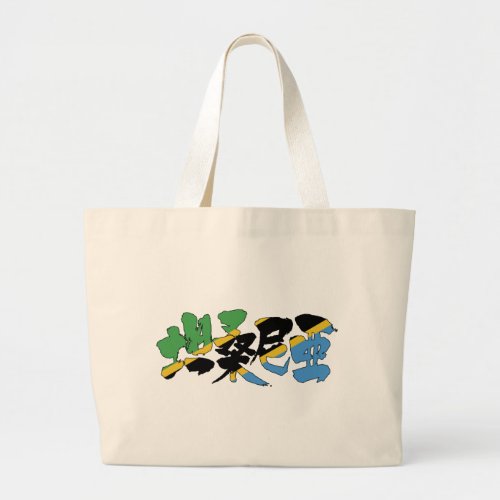

[Kanji] Sri Lanka Large Tote Bag
a republic on the island of Ceylon. Democratic Socialist Republic of Sri Lanka.
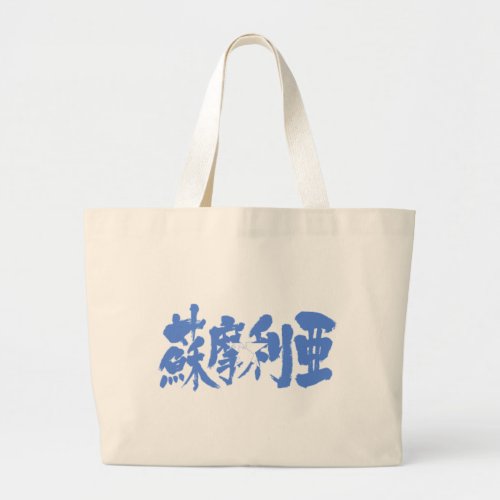
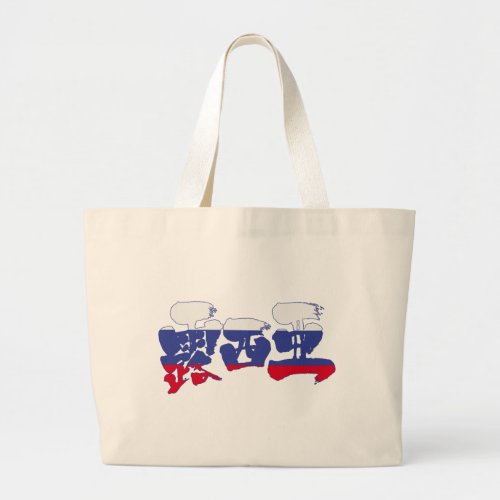
[Kanji] Russia Large Tote Bag
a former empire in eastern Europe and northern Asia created in the 14th century with Moscow as the capital.
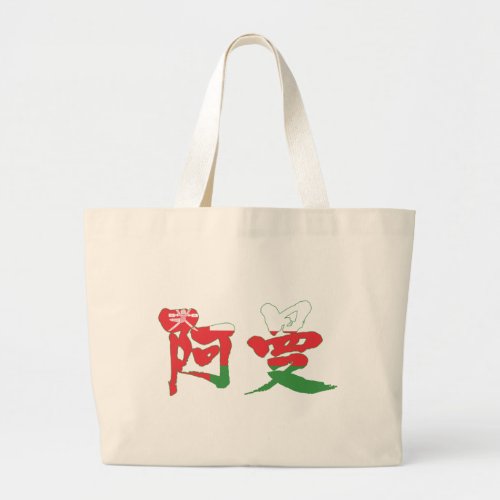
[Kanji] Oman Large Tote Bag
a strategically located monarchy on the southern and eastern coasts of the Arabian Peninsula.
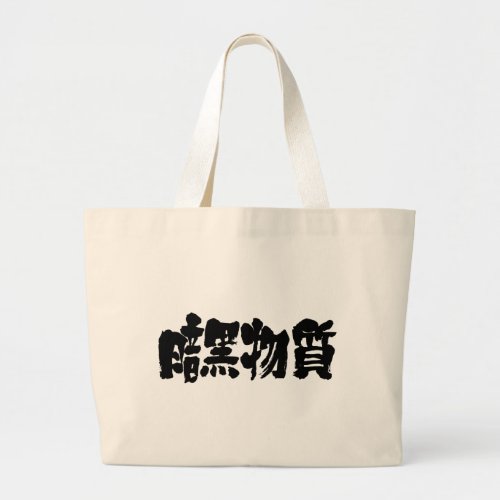
[Kanji] dark matter Large Tote Bag
a hypothetical form of matter that is believed to make up 90 percent of the universe. Japanese calls An-Koku-Bu-Sshitsu.
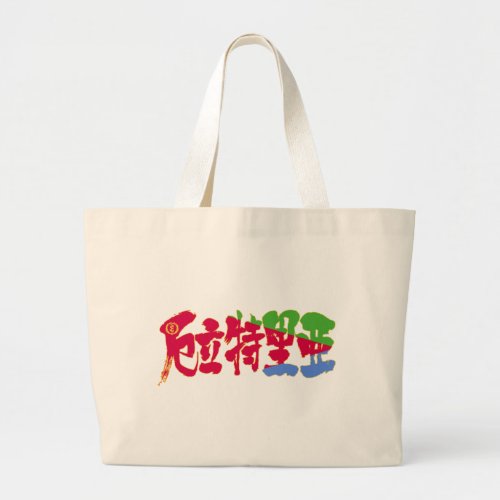
[Kanji] Eritrea Large Tote Bag
an African country to the north of Ethiopia on the Red Sea. state of eritrea.
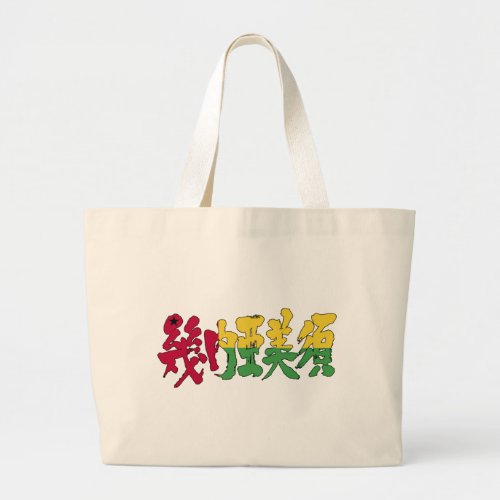
[Kanji] Guinea-Bissau Large Tote Bag
a republic on the northwestern coast of Africa. republic of guinea-bissau.
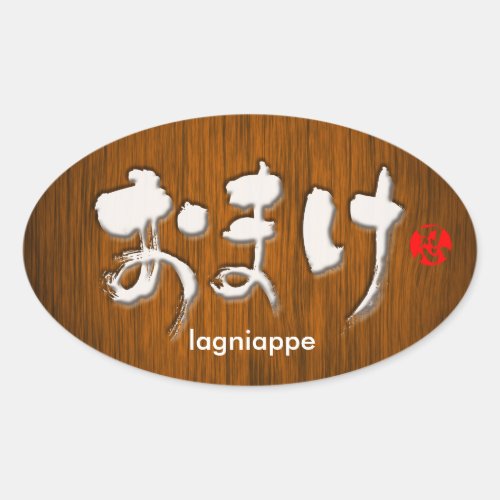
[Hiragana] lagniappe Oval Sticker
a small gift especially one given by a merchant to a customer who makes a purchase. Japanese calls O-Ma-Ke.
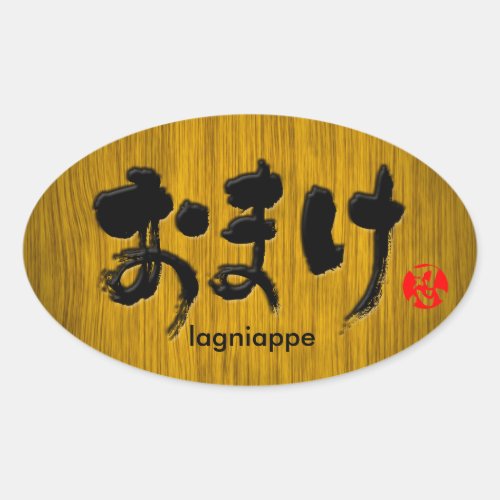
[Hiragana] lagniappe Oval Sticker
a small gift especially one given by a merchant to a customer who makes a purchase. Japanese calls O-Ma-Ke.
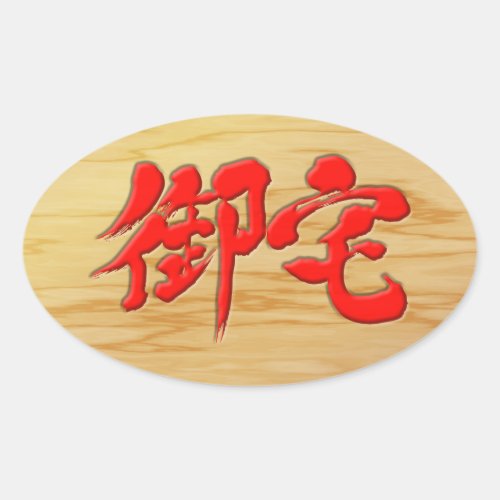
[Kanji] 御宅 Otaku signboard style Oval Sticker
Japanese signboard style. Otaku is a Japanese term used to refer to people with obsessive interests, particularly (but not limited to) anime, manga or Japanese